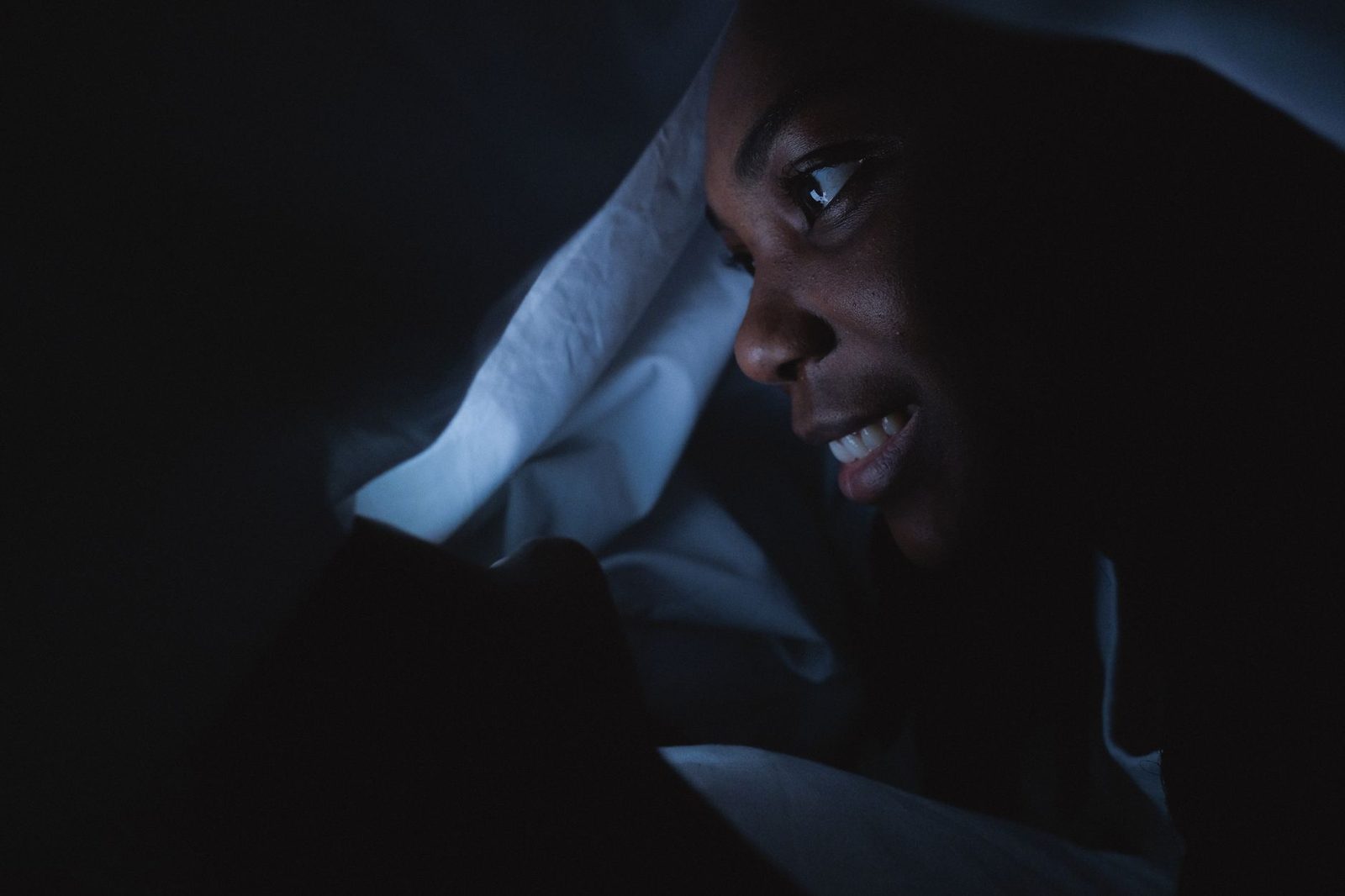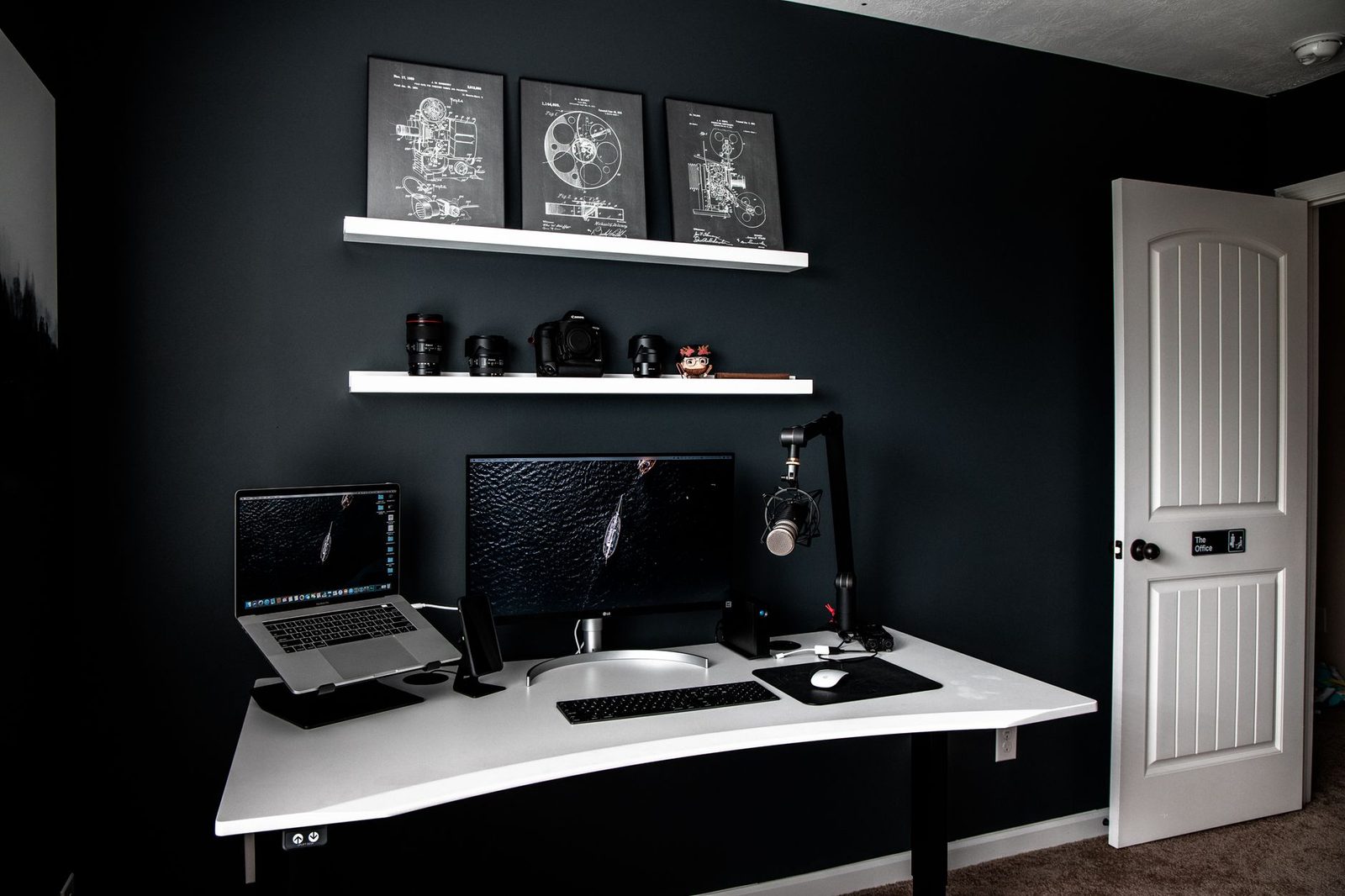
There's a particular kind of loneliness in coming home at 7 a.m. while everyone else is leaving for work. You pass people in a hurry, cafés opening up, a city starting its day — and you go to bed. In the evening, when friends are texting each other to organize something, you're pulling on scrubs, a security jacket, or kitchen whites. The gap isn't just about hours: it's social. You're never available at the same time as everyone else.
According to figures from the Dares (the French Ministry of Labour's statistics department), several million employees in France work nights regularly or occasionally, and many more work atypical hours — shift work, rotating schedules, evenings, weekends. Healthcare workers, long-haul drivers, security guards, bakers, on-call technicians, three-shift operators, logistics warehouse staff. For many of them, the 3 a.m. break or the empty five-hour stretch before bed is a strangely hollow moment: too late to call anyone, too early to sleep, too wide awake to stare passively at a screen.
That's where a rarely discussed use of random video chat comes in. Not flirting, not teenage boredom: simply the fact that at 4 a.m. in France, it's 10 p.m. in Montreal, 11 a.m. in Tokyo, 5 a.m. in Bucharest — and someone, somewhere, is always awake. This article describes that use without romanticizing it, while also pointing out what it costs when the dosage is wrong.
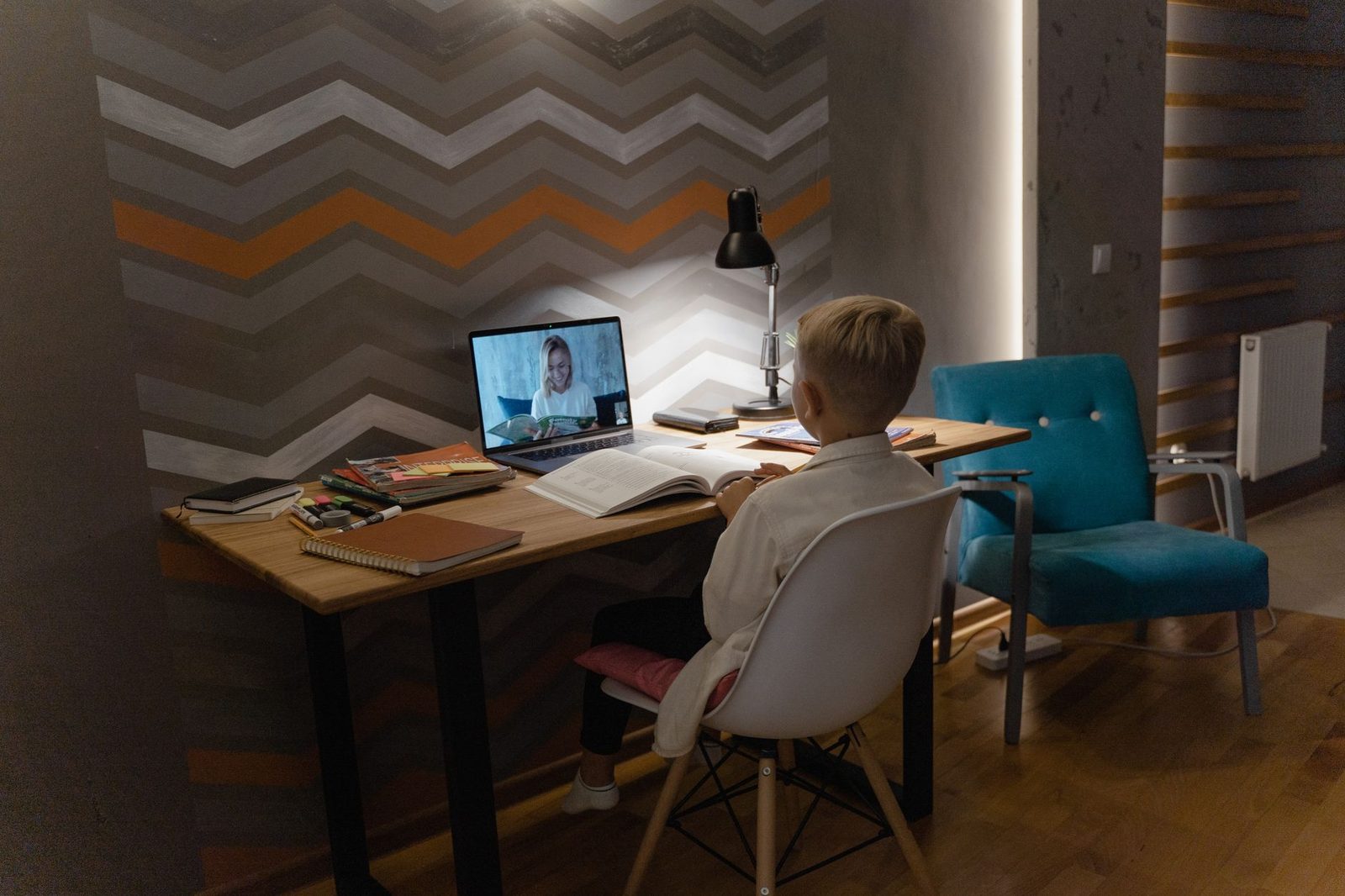
The socially desynchronized: an isolation nobody sees
Surrounded, yet out of step
Night workers aren't alone in any statistical sense. They have a team, sometimes a tight-knit one, often a supportive one. They have a partner, children, friends. But they share very little non-functional time with them: the aimless conversations, the evenings that stretch on, the rambling phone calls. France's National Research and Safety Institute (INRS) has long documented, in its files on night work and shift work, the effects of these schedules on family and social life: fewer community activities, lower participation in group events, a sense of being pushed to the margins.
This isn't a complaint about comfort. Social desynchronization is a recognized psychosocial risk factor, on a par with circadian rhythm disruption.
The dead window
Many describe one specific moment: coming home, between the end of the shift and sleep. The body is still tense, the mind still racing, and nobody is reachable. Some watch series, others scroll, others drink a beer they know is a bad idea.
Random video chat fills that window differently: it asks nothing of anyone, doesn't force you to recount your day to a loved one who's asleep, and offers something television can't — a response. Someone who reacts, who laughs, who asks "so where are you right now?"
"I'm not looking to meet anyone. I just want to talk to a human being for five minutes before I fall asleep, otherwise I feel like I've spent eight hours in a corridor." — security guard, 41, Lyon area.
Why night changes the nature of the exchanges
A different population
Random video chat at 9 p.m. and at 4 a.m. are two different things. Deep in the European night, the makeup of the user base shifts: fewer teenagers in groups, more solitary users, insomniacs, shift workers, and above all plenty of users on other continents for whom it's simply the afternoon.
That shift has two concrete consequences:
| Time slot (French time) | Dominant profile observed | Type of conversation |
|---|---|---|
| 9 p.m. – 11 p.m. | European audience, groups, young users | Fast-paced, frequent "next" |
| 11 p.m. – 1 a.m. | Solitary European users | Calmer, more talkative |
| 1 a.m. – 5 a.m. | Americas + Asia during daytime | Fluent English, long exchanges |
| 5 a.m. – 8 a.m. | Asia, early-rising Eastern Europe | Measured, very calm conversations |
There's nothing scientific about this: these are patterns described by regular users, and they vary from platform to platform. But the logic holds, since it comes down to the geography of time zones.
Night's unintentional filter
Night discourages the most superficial uses. Groups of friends skipping through strangers and laughing are in bed. What's left are people alone in front of their screens, often more open to a real conversation. Several night users report a noticeably lower rate of being "nexted" and exchanges that more often run past the two-minute mark.
On the flip side, night also concentrates the most disturbing behavior — exposure, provocation, intoxicated users. French press coverage of Chatroulette and random video platforms has extensively documented that side of things; it doesn't vanish after midnight, and in places it actually intensifies. The reflex remains the same: cut the connection immediately, report, and never try to "handle" the situation.
Getting properly set up when you talk at odd hours
Don't wake the whole household
This is practical problem number one: talking at 5 a.m. in an apartment where other people are asleep. The solution isn't to whisper — whispering carries terribly over a microphone and makes the conversation painful — but to contain the sound. A closed-back headset with a noise-cancelling microphone solves half the problem: you hear the other person without speakers, and a mic picked up close to your mouth lets you speak quietly while staying intelligible.
For those with a dedicated desk, a USB boom headset delivers cleaner sound and better background noise filtering — handy when the washing machine is running because that's the only slot available.
Lighting: the real issue
A laptop webcam needs light. At night, the temptation is to flip on the ceiling light, which gives you a pallid face and waiting-room ambience. A small LED lamp with adjustable color temperature placed behind the screen changes everything: you can pick a warm, low-intensity light that lights your face without straining your eyes or flooding the room.
This setting isn't cosmetic. It bears directly on the next point, which is the most important one in this article.
The real risk: sabotaging what little sleep is left
What research says about evening light
France's National Institute of Sleep and Vigilance (INSV) and Inserm regularly restate the mechanism: light, particularly in blue wavelengths, acts on melanopsin-containing retinal cells and delays the secretion of melatonin, the hormone that signals to the body that it's time to sleep. A bright screen at close range, right before bed, pushes back sleep onset.
For a night worker, that delay is doubly costly. Their sleep is already fighting their biological clock: sleeping at 8 a.m., when daylight and ambient noise push toward wakefulness, is anything but straightforward. ANSES, in its assessment of the health risks of night work, highlighted the average reduction in sleep time among night workers and the associated consequences, notably metabolic and cardiovascular.
In other words: a video chat session that eats forty minutes out of already truncated sleep is not a trivial detail.
The wrong time and the right time
The practical rule most night users end up adopting on their own:
- During the mid-shift break (2 a.m. – 4 a.m.), it's actually beneficial: it boosts alertness, breaks the monotony, and costs no sleep at all.
- Right after the shift ends, before bed, is the worst slot: social stimulation + light + cognitive arousal at exactly the moment you should be winding down.
- On waking, in the late afternoon, before heading back out, it's neutral to positive: sleep is behind you, and social contact sets up the evening nicely.
If the dead window before bed is precisely when you feel loneliest, it's better to fill it another way. Many shift workers describe a screen-free decompression ritual: a shower, a light meal, fifteen pages of a book. A blackout sleep mask and foam earplugs do more for the quality of your rest than an extra half-hour of conversation — and conversely, they let you allow yourself that conversation earlier without guilt.
A simple benchmark
If you're still looking at a screen fifteen minutes before bed, video chat isn't your problem: your cut-off time is. Set it once, at thirty or forty-five minutes before bed, and stick to it.
What this use genuinely delivers
Breaking the sense of invisibility
Night work is peculiar in that hardly anyone sees it. Daytime colleagues have no idea what happens between midnight and 6 a.m. The family is asleep. The feeling of doing invisible work comes up again and again in accounts from healthcare staff and maintenance technicians.
A five-minute conversation with a stranger in Argentina who asks "what's your job?" and listens to the answer produces an effect wildly out of proportion to how ordinary it is: you become, once again, someone who does something, for someone.
English, without even trying
This is a side benefit that comes up often. At 3 a.m., the person on the other end is rarely a French speaker. Exchanges happen in approximate English, with gestures and laughter. Months of practice pile up without any methodical effort. Those who develop a taste for it sometimes supplement with a pocket vocabulary notebook, jotting down the three or four expressions they picked up during the night.
Regulating alertness
Shift work specialists stress the importance of managing drowsiness during the night's trough, around 3 a.m. – 5 a.m., the point of lowest circadian alertness. Official recommendations favor short naps, light exposure, and task organization. A brief social interaction works in the same direction: talking is more activating than watching.
Obviously this replaces no safety measure whatsoever, and it only applies to jobs where a break is genuinely possible and permitted. Nobody should open a video chat while driving or monitoring a critical station — it's self-evident, and yet it needs writing down.
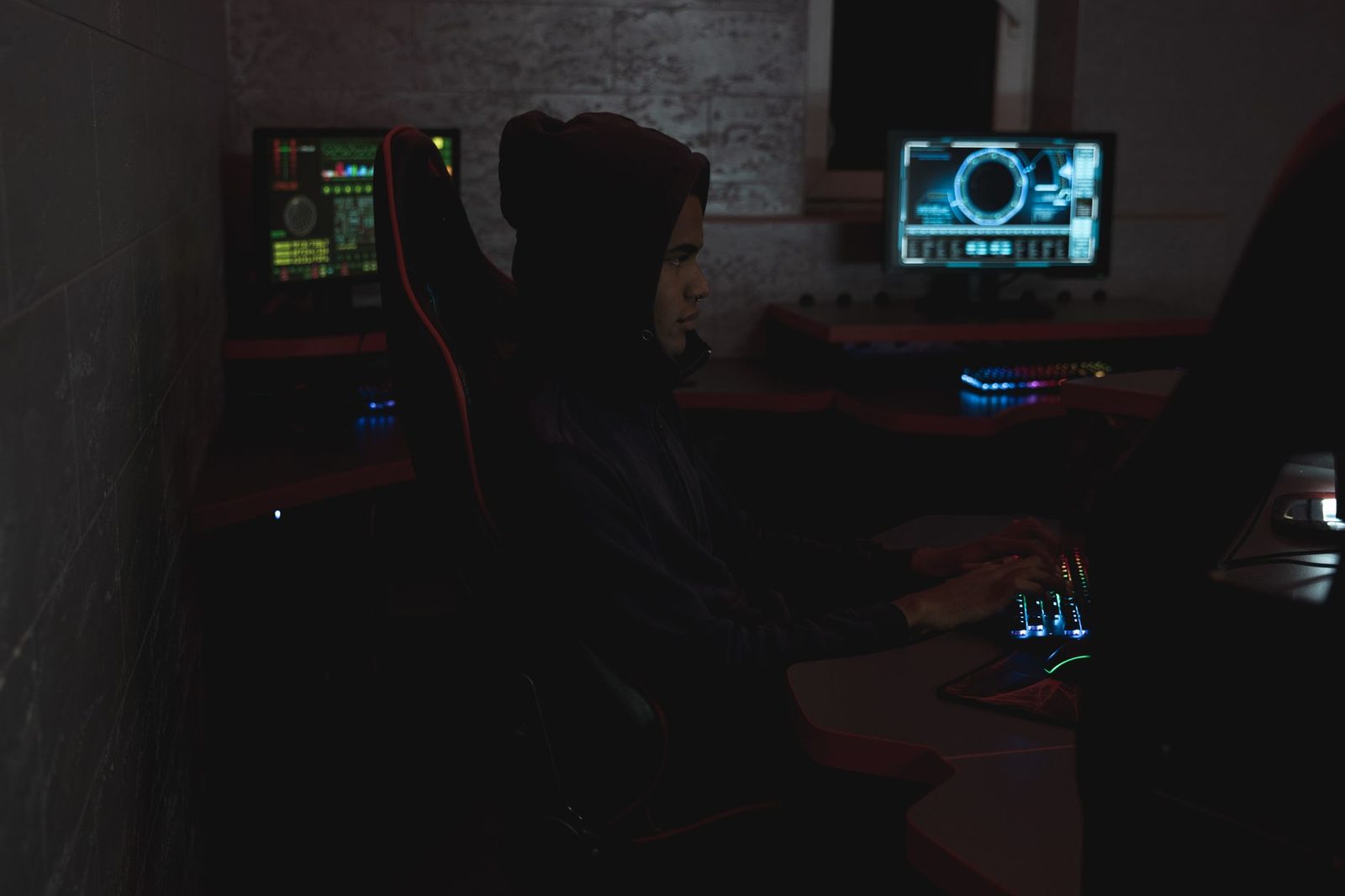
Safeguards specific to the night
Fatigue lowers your defenses
This is the least intuitive and most important point. Sleep deprivation impairs executive control and judgment: you become more impulsive, more talkative, less cautious. At 5 a.m., after an eight-hour shift, you're far more likely to give out your first name, your town, your employer's name — information you'd keep to yourself when fully rested.
Three minimum rules, valid all year round but vital at night:
- Never give your company name, hospital department, or show an identifiable uniform on camera.
- No switching to a private messaging app on a decision made in a state of exhaustion. If the person is interesting, they'll still be interesting tomorrow.
- No intimate content, ever. The webcam blackmail cases handled by the French platform Cybermalveillance.gouv.fr almost always begin with a decision made in a state of vulnerability.
The risk of ritual dependency
A habit that starts as a remedy for the dead window can turn into a reflex that spills over. The warning sign is simple: when you open the platform not because you feel like talking, but because you don't know what else to do, and you stay for an hour when you'd planned on ten minutes.
One or two bounded sessions a week are genuinely helpful. Four hour-long sessions eating into your sleep make worse exactly what they claimed to relieve. A simple kitchen timer set for fifteen minutes and placed next to the screen is a ridiculously effective tool for holding that line.
What it doesn't cure
Random video chat doesn't make up for long-term social desynchronization. If night work is eroding your relationship, driving friends away, and leaving weekends empty, the answer lies elsewhere: schedule trade-offs, occupational medicine, reorganizing family life, possibly psychological support. On this terrain, occupational health services are the most useful and most underused resource available.
In summary
For a night worker, random video chat offers an advantage few other social tools provide: it's available at the exact hour you are, without asking anything of anyone. It's an answer to the time gap, not to loneliness.
Three principles are enough:
- Schedule the session during your break or after waking up, never in the forty-five minutes before bed.
- Cap the duration and treat it as a bit of recreation, not a substitute for a social life.
- Be extra careful with personal information, because fatigue lowers your guard.
The rest — soft lighting, the headset, protected sleep — is just logistics. But it's that logistics that decides whether a nighttime conversation leaves you lighter or more exhausted come morning.