
The Art of Non-Verbal Language in Video Chat: Decoding the Invisible
In the world of random video chatting, everything is often decided in the first three seconds. Before a single word is spoken, a massive exchange of information has already occurred. A raised eyebrow, a slight smile, a tilt of the head, or even the quality of the lighting sends powerful signals to our interlocutor. This is what we call non-verbal communication.
While speech conveys information, the body conveys emotion. In the context of meeting a stranger, where we have no shared history, body language becomes our only compass for assessing the other person's trust, interest, or openness. Mastering this art means moving from random navigation to a true capacity for human connection.
The Frame Paradox: What the Camera Sees and What it Hides
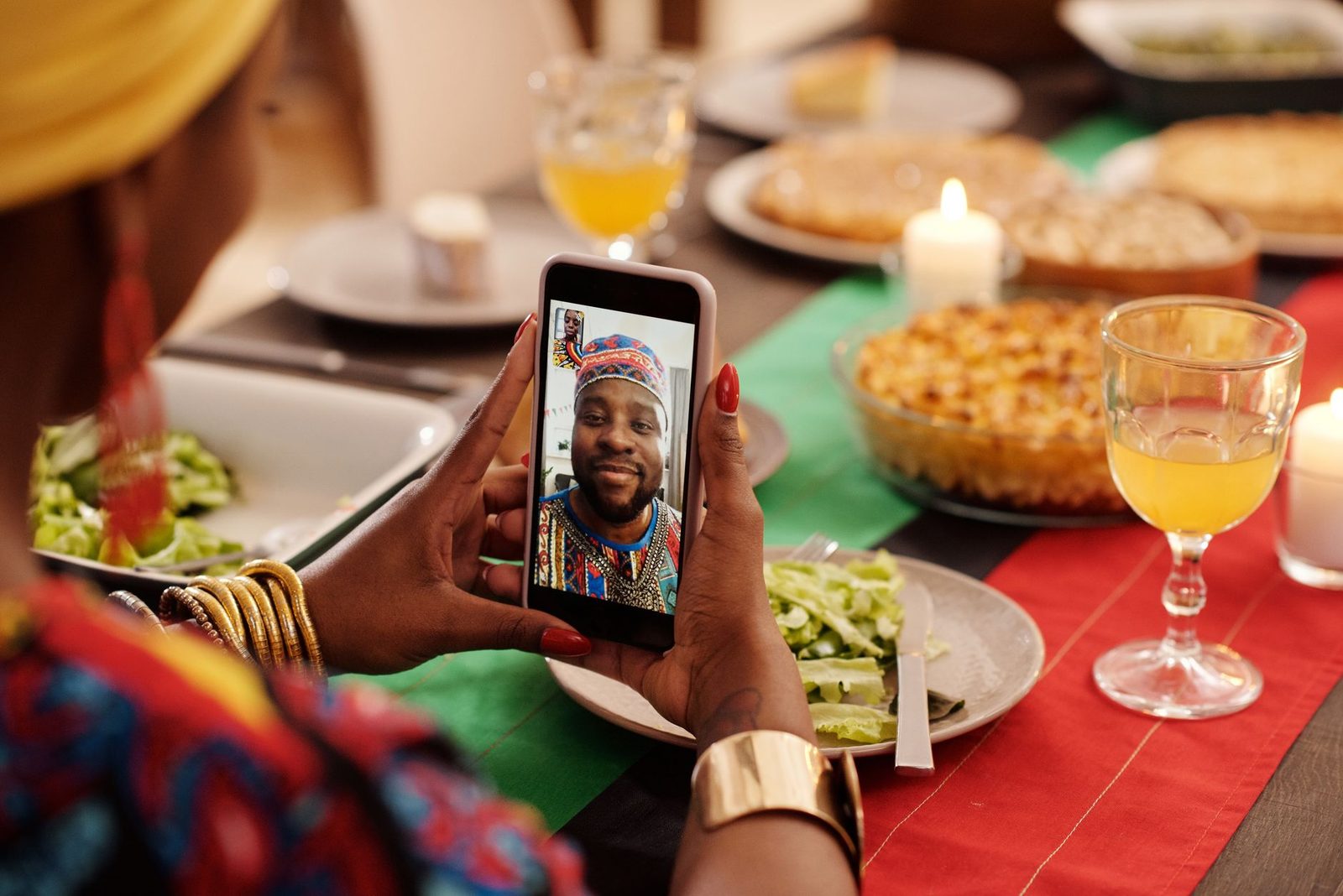
Unlike a physical meeting, video chat imposes a restricted frame: the face and, sometimes, the upper torso. This limitation creates a "tunnel effect" that amplifies the importance of facial micro-expressions. Since we cannot see the hands (often sources of stress or openness) or the overall posture, our brain over-analyzes every movement of the face.
The Importance of Digital Eye Contact
One of the most common mistakes in video calls is looking at the other person's image on the screen rather than the camera lens. To the other person, this gives the impression that you are looking slightly downward, which can be interpreted as shyness, boredom, or a lack of confidence.
- Expert Tip: To create a feeling of real connection and engagement, force yourself to look directly into the webcam lens during your key speaking moments. This is the digital equivalent of looking someone straight in the eyes—a universal signal of sincerity and presence.
Decoding the Other Person's Signals
Knowing how to read the other person allows you to adjust your discourse in real-time and avoid abrupt rejection. Cognitive psychology teaches us that we process visual cues much faster than auditory ones.
Indicators of Openness
When a stranger is genuinely interested in the conversation, certain signs are unmistakable:
- The Duchenne Smile: This is the genuine smile, the one that reaches the eyes and creates small wrinkles at the corners of the eyelids. A smile involving only the mouth is often a sign of politeness or discomfort.
- The Head Tilt: Tilting the head slightly to the side is a sign of active listening and curiosity. It shows that the person is "absorbing" your words.
- Mirroring: If your interlocutor unconsciously adopts the same posture as you or uses the same facial expressions, it is a sign of strong emotional synchronization.
Warning Signs and the Imminent "Next"
Conversely, certain behaviors indicate that the connection is fading. Learning to detect them allows you to quickly pivot the conversation or accept the other person's departure with serenity.
- Avoidant Gaze: If the person frequently looks off-screen or seems distracted by their phone, the engagement is broken.
- Physical Withdrawal: Moving away from the camera or leaning back can translate to a need for emotional distance or a lack of comfort.
- Micro-expressions of Contempt or Boredom: A slight pursing of the lips or an imperceptible sigh are clear indicators of declining interest.

Optimizing Your Own Visual Presence
Non-verbal communication isn't just about your movements, but also the environment you project. Your image is your first introductory sentence.
Managing Light and Angle
Lighting radically influences the psychological perception of your face. Light coming from above creates shadows under the eyes (the "dark circles" effect), which can project an image of fatigue or sadness. Conversely, soft frontal light illuminates the gaze and inspires trust.
| Element | Negative Impact | Positive Impact |
|---|---|---|
| Camera Angle | Low angle (domination/aggressiveness) | Eye-level view (equality/empathy) |
| Lighting | Backlighting (mystery/mistrust) | Natural frontal light (transparency) |
| Background | Total clutter (instability/chaos) | Neutral or personalized (authenticity) |
Body Posture: The Invisible Influencing the Visible
Even if only your face is visible, your overall posture influences your tone of voice and your expressions. Slouching in a chair produces a more monotonous voice and a less expressive face. Sitting up straight with open shoulders frees the diaphragm and projects a more positive and dynamic energy.
The Ethics of Observation and Respect for Others
It is important to remember that the analysis of non-verbal language should remain a tool for connection, not manipulation. The goal is to build a bridge between two strangers, not to "hack" the other person's psychology.
According to the principles of digital well-being, the key to a healthy interaction lies in reciprocity. If you perceive that your interlocutor is uncomfortable despite your efforts to be open, the most respectful response is to give them space or end the call courteously. Emotional intelligence consists precisely of knowing when non-verbal language says "stop," even if the words say "I'm fine."

Conclusion: Toward an Augmented Connection
Random video chat is a fascinating social laboratory. By stripping away our usual social filters and written descriptions, it brings us back to the very essence of human communication: instinct and visuals.
By becoming aware of your own signals and learning to decode those of others, you transform every encounter into a learning opportunity. The next time you start a chat, don't just listen to the words. Look at the eyes, observe the smiles, and feel the energy. It is there, in the invisible, that the most authentic connections are created.